

Why is donating blood so important?

Roisin Bonar
Donating blood is a really important thing you can do. In this article, we explain why it’s so important and give you all the info you’ll need to give blood confidently, if you choose to do so.
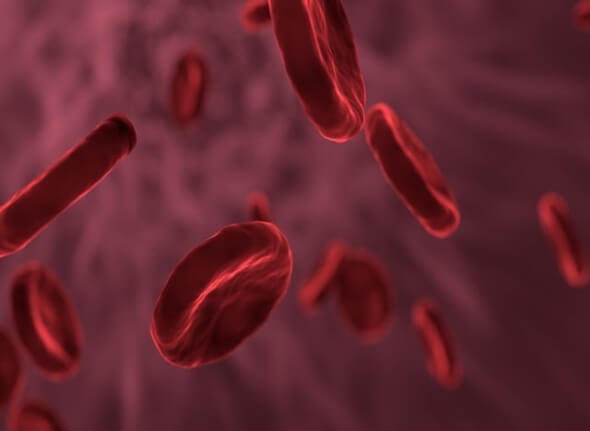
Why is donating blood so important?
Blood donation is in constant demand. There are people in desperate need of a transfusion. However, the number of donations in the UK is low. NHS England has recently have made a plea to the public asking for 1 million people to donate blood. Currently, only 2% of the population donate blood. The nation’s blood stocks are often low, and the NHS sometimes struggles to keep enough blood in reserve so that anyone who needs a donation can have one. This could mean that lives are at risk if people can’t get the vital blood that they need.
When are blood transfusions used?
When someone is losing their own blood at a dangerous rate or undergoing treatments for various medical conditions, a blood transfusion is often used as an effective treatment. A blood transfusion is where somebody else’s blood that’s suitable for you is injected into your body. It obviously replenishes the blood within your body.
Sometimes, specific components of blood, like platelets or plasma, are transfused.
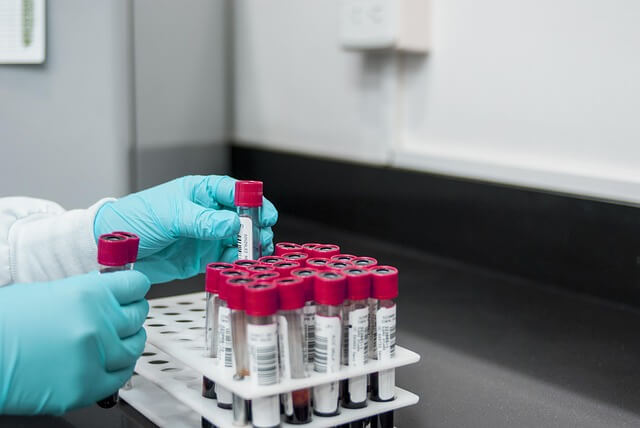
How do blood transfusions work?
A blood donation is the act of taking blood from one person and giving it to another. This is done by using a needle to extract blood safely from a person.
The blood is then processed, tested and then stored and/or delivered.
Once it has arrived at its intended destination, the patient who needs the blood will then be given it. This is called a blood transfusion.
Who can donate to give blood?
Many people can donate blood. You need to be over 17 and you can donate up until you’re 72. You need to be generally fit and well, and there are some requirements around your weight.
There are many other conditions and exclusions that could stop you giving blood, however these are rare and you’ll usually know if you have them already.
You can find the whole list of eligibility criteria on the blood.co.uk website. These details include all the things that could mean you can’t give blood.
You might be interested in donating blood yourself. However, there’s another factor to consider – blood type.
The ABC’s, O’s, positive and negative.
Thanks to a doctor called Karl Landsteiner, human blood was categorised into different groups after he discovered that everyone’s blood is different. This is the same system we use today.
Our blood is put into different groups depending on the makeup of the biological components in our blood. These can be things like red blood cells, antibodies, or antigens. When it comes to donation your blood group determines who you can donate your blood too and what blood your body can receive.
If those from a certain blood group receive blood that is not compatible with theirs, their body will reject it. Some blood groups are more in demand than others, this is usually because they’re rarer or are “universal” which means more people can safely receive that type of blood.
It can be a bit confusing. So, check out this article from Blood Donor Magazine for a full breakdown on all the blood group basics.
How do I arrange to give blood?
If you’re looking to donate blood, firstly you’ll have to sign up to become a donor. Once you’ve done this you can book an appointment. This might be at a permanent centre or a pop-up centre.
It’s best to pre-arrange this. It gives you time to prepare and the donation centre an idea of how many donors they’ll have that day. However, some centres do accept walk-ins. Check this on their website before turning up.
How do I prepare?
There are some things you should do before giving blood. These include:
- Eating plenty, especially anything rich in iron (like meat, fish, eggs, pulses/beans, nuts, wholemeal or brown breads, brown rice, tofu, leafy green vegetables, or dried fruit)
- Drink lots of water
- Avoid heavy exercise
- Wear clothing that isn’t tight on your arms
- Get a good night’s sleep
- Avoid alcohol
What happens when I get to the donation centre?
When you arrive, you’ll have to read through informational pamphlets about the procedure and fill in a form.
This questionnaire will contain a lot of personal questions that you are required to answer. These answers will then be discussed with a healthcare professional.
As you do this, you’ll be given a glass of water that you’ll need to finish before the donation begins.

The main event: the donation
You’ve read all the paperwork and you’ve passed the assessment, and now the time has arrived for the main event.
You might be feeling nervous, and that is totally normal. Take some deep breaths or distract yourself.
Remind yourself why you’re putting yourself through this stress. This feeling of discomfort is well worth enduring when you consider the good you’re doing for someone else.
Once you are seated for the procedure and confirmed a few details, an armband will be placed around your bicep, and the healthcare professional will find the best vein to use. Once found, they’ll put a needle into your arm and begin to extract the blood.
You’ll be encouraged to tense and release certain muscles during the procedure, to promote blood flow. You’ll be given a rubber ball that you’ll squeeze throughout the donation process.
Apart from this small task, your job is now to relax. You can read a book or listen to some music. However, there’s a good chance you won’t have time to get too comfortable, because normally only it takes between 5 to 15 minutes to donate. It takes longer to do the paperwork!
After you donate
When a healthcare professional has safely taken the needle out of your arm and covered the area with a plaster, you’ll then be directed to a seating area to rest. Your normally spend about 10 -15 minutes here.
Then comes the best bit. To get your energy levels up, you’ll be some given free biscuits or crisps, along with squash or water.
If you feel fine, you’ll be allowed to leave. It’s important to notify the staff if you’re not feeling okay.
After your donation, there are some things you should do:
- Rest
- Avoid strenuous activities, like heavy lifting or workouts
- Avoid alcohol
- Eat and drink plenty

Make a difference – donate blood
The thought of donating blood can make people feel apprehensive. This is totally understandable. Donating blood is a little bit uncomfortable – but it’s only for a very short period of time.
The process we’ve just discussed takes roughly an hour to an hour and a half to complete. In the grand scheme of things, this is no time at all. Temporary discomfort is worth the gift you are giving someone else. Potentially a gift that could help save or prolong their life.
If you’d like to donate blood or find out more, visit the blood.co.uk website.
Related

World Book Day: The Benefits of Reading for Pleasure
[rt_reading_time...

Staying safe for Halloween
[rt_reading_time...